
Why Cleantech Matters in the UK Right Now
Britain's cleantech sector isn't just about environmental responsibility — it's become a serious economic opportunity. We're seeing more funding flow into renewable energy, waste management, and sustainable materials than ever before. Companies are tackling real problems: how to reduce carbon emissions without sacrificing efficiency, how to make renewable energy affordable at scale, and how to transform industries that've relied on fossil fuels for decades.
The numbers tell the story. UK cleantech investment has grown steadily over the past five years, with venture capital firms taking notice of the long-term potential. It's not just about doing good anymore — investors see profitable businesses being built around sustainability. That shift changes everything for founders trying to launch in this space.
The Current Funding Landscape
If you're looking at cleantech funding in the UK, you've got several routes. Traditional venture capital firms are getting more active here. Specialized cleantech funds are emerging too — these teams understand the sector deeply and move faster than generalist investors. Government backing through schemes like the Green Investment Bank (now the British Business Bank's climate programs) provides another layer of support.
What's changed recently is the attitude. Five years ago, many VCs saw cleantech as too long-term, too capital-intensive, too risky. Now they're actively hunting for deals. The reason? Policy certainty is improving, tech costs are dropping (especially in renewables), and there's real market demand. Companies aren't fighting just for grants anymore — they're raising proper venture rounds.
- Early-stage funding available from £500k to £2m seed rounds
- Series A funding increasingly competitive, especially for proven tech
- Corporate partnerships offering alternative funding + market access
- Government grants still available but harder to secure long-term

Key Challenges Startups Face
It's not all smooth sailing. Cleantech founders run into specific obstacles that generic tech companies don't face. First, there's the capital intensity problem. You can't build a solar company on a £50k seed round like you might a SaaS startup. Manufacturing, supply chains, physical infrastructure — it all costs real money.
Regulatory complexity is another killer. Different regions have different standards for renewable energy, emissions reporting, waste handling. A technology that works in one part of the UK might need tweaking for another. That slows down scaling and makes it harder to move fast.
Then there's market adoption. Even with great technology, getting businesses to switch from established suppliers takes time. Decision-making cycles are longer. Proof of concept matters more than usual. You're not just selling software — you're often asking people to change how they operate fundamentally.
Where the Opportunities Are
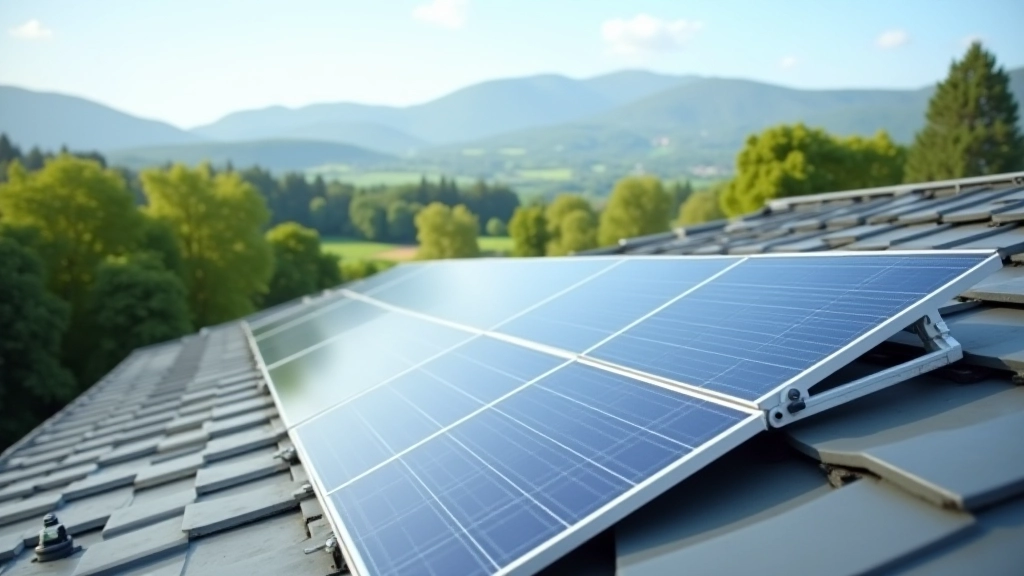
Despite the challenges, there's real opportunity in several areas. Renewable energy hardware is attracting investment — companies building smarter panels, better batteries, more efficient wind turbines. Energy storage is huge right now, especially as the grid shifts toward variable renewables. Grid balancing, demand response, and smart energy management tools are getting serious funding.
Circular economy startups are having a moment too. Recycling tech, waste-to-resource companies, refurbishment platforms — investors see long-term margins and genuine environmental impact. The packaging innovation space is crowded but still attracting capital. Sustainable materials (bio-based plastics, alternative textiles, low-carbon cement) are emerging sectors with real venture backing.
What's less obvious but equally important: climate adaptation tech. As extreme weather becomes more common, there's growing demand for resilience solutions — flood management, drought prediction, infrastructure protection. These aren't headline-grabbing sectors, but they're quietly attracting serious investment.
Energy Storage
Battery tech, thermal storage, grid-scale solutions getting most VC attention
Circular Economy
Recycling, waste management, materials recovery attracting consistent funding
Smart Energy
Grid management, demand response, optimization software showing strong growth
Building for Scale
What separates cleantech companies that attract serious funding from those that don't? It's usually clarity on path to scale. Investors aren't betting on good intentions — they're backing business models that can grow.
That means demonstrating traction early. Have you tested your technology with real customers? Do you have early revenue or letters of intent from serious buyers? Can you show unit economics that work? These questions matter more in cleantech than they do in many sectors.
Building partnerships early helps too. Working with established players in your industry — energy companies, manufacturers, retailers — gives you credibility and access to distribution. It also reduces your risk profile in investors' eyes. You're not betting entirely on disruption; you're building within existing systems.

The Bottom Line
The UK cleantech sector is at an interesting inflection point. There's more capital available than there was three years ago. There's growing policy support through net-zero commitments and climate legislation. There's genuine market demand from businesses wanting to reduce their environmental impact and cut costs.
But it's not an easy sector to build in. You'll face longer development cycles, higher capital requirements, and more complex regulatory environments than in software. The flip side? You're building businesses that actually solve real problems. That attracts investors who care about more than just returns — though those returns are increasingly looking solid too.
If you're thinking about starting a cleantech company or investing in one, the fundamentals are better than they've been in years. Just go in with eyes open about the challenges specific to this space. Success isn't about being passionate about the environment — it's about building a business that works at scale.
Disclaimer
This article is educational and informational only. It doesn't constitute investment advice, financial advice, or recommendations to invest in any specific company, sector, or investment vehicle. The cleantech sector involves significant risks including technology risk, market risk, regulatory risk, and financial risk. Past performance or sector trends don't guarantee future results. Individual circumstances vary widely. Always conduct thorough research and consult with qualified financial advisors, investment professionals, and legal experts before making any investment decisions. The author and platform provide no warranties regarding the accuracy, completeness, or timeliness of information presented.